
Friendsgiving on a budget: How to split costs without splitting hairs
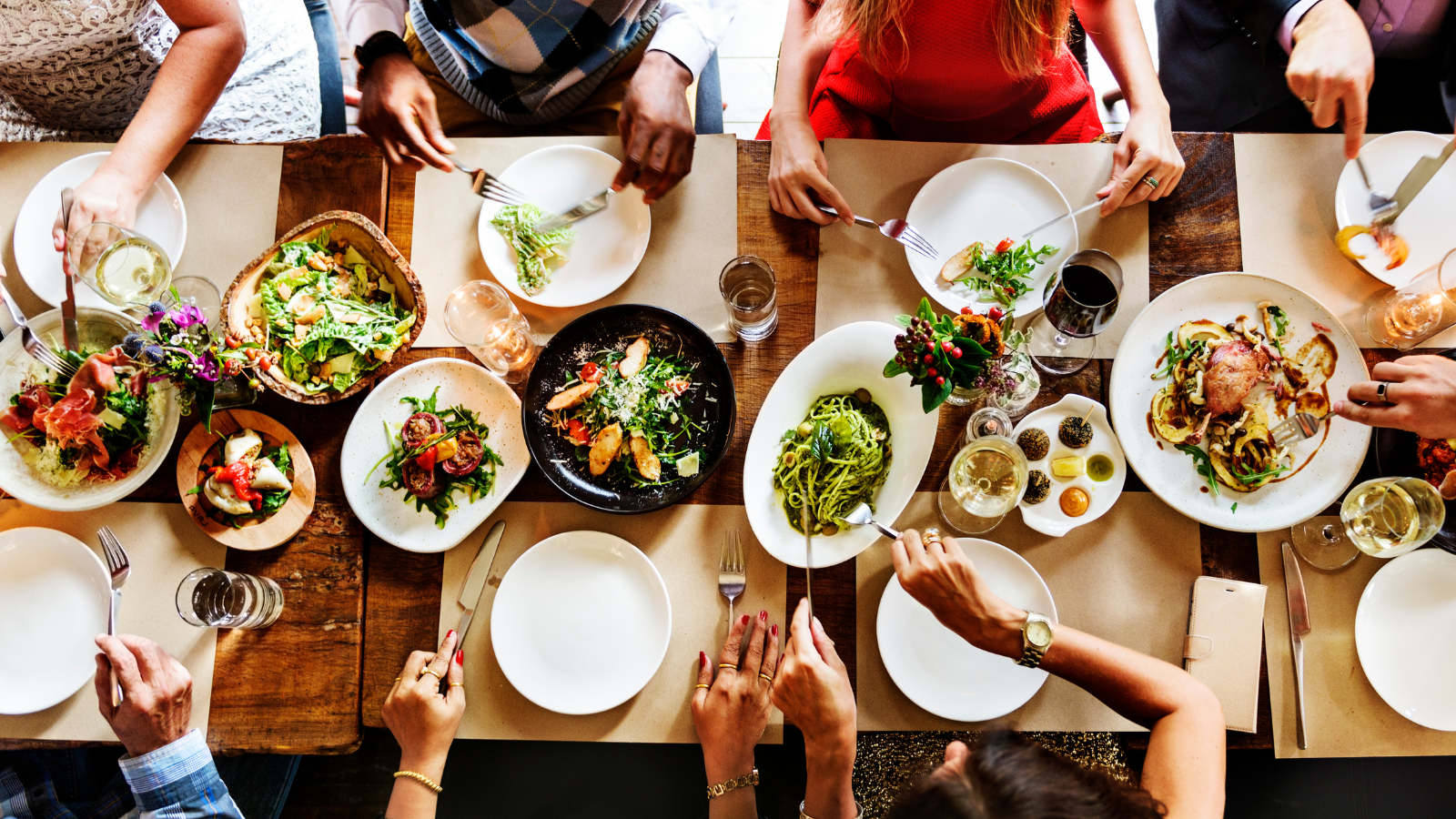
Friendsgiving is one of the best traditions to come out of millennial culture. It's Thanksgiving, but with the people you actually choose to spend time with. No awkward political conversations with distant relatives—just good food, great friends, and the kind of gratitude that comes from building your own chosen family.
But here's where it gets tricky: someone has to organize it, someone has to host it, and someone has to figure out how to split the costs without turning a celebration into a spreadsheet nightmare.
Friendsgiving should be about connection and gratitude, not about who paid for the turkey or whether everyone contributed equally. Here's how to split costs fairly without the stress, resentment, or awkwardness.
Why Friendsgiving costs are complicated
Unlike a regular group dinner where you split one bill, Friendsgiving involves:
Big-ticket items: Turkey, ham, or main protein (often $30-60+)
Side dishes: Mashed potatoes, stuffing, green beans, cranberry sauce, rolls
Desserts: Pies, cakes, or other sweets
Drinks: Wine, beer, cocktails, non-alcoholic options
Hosting costs: Plates, napkins, serving dishes, decorations
Leftovers: Who gets to take food home?
Some people cook elaborate dishes that cost $50 in ingredients. Others bring a bag of rolls from the grocery store. Some people can't cook at all. And the host is doing the most work but might not spend the most money.
How do you make it fair without overcomplicating things?
The approaches people try (and their pitfalls)
Pure potluck: Everyone brings something
The appeal: Simple. Everyone contributes a dish.
The problem: Costs vary wildly. The person who brings a $50 turkey and the person who brings a $4 bag of chips both "contributed," but it's not exactly equal. Plus, the host still absorbs costs that nobody else sees.
The host covers everything, everyone Venmos them
The appeal: One person handles all the shopping and cooking.
The problem: The host covers hundreds of dollars upfront and then has to track down payments from 10+ people. Also, they're doing all the work and chasing money. Not exactly the gratitude they deserve.
Assign dishes and everyone pays for their own
The appeal: Clear assignments, clear costs.
The problem: Doesn't account for the host's costs (plates, napkins, cleaning supplies, the fact that their home is being used). Also, some dishes cost way more than others.
Split the total cost evenly
The appeal: Fair in theory—everyone pays the same.
The problem: Doesn't account for different appetites, dietary restrictions, or the fact that some people are doing significantly more work.
What actually works: A hybrid approach
The best Friendsgiving cost-splitting strategy combines elements of potluck, assigned contributions, and shared costs:
1. Decide on the model upfront
Before anyone buys anything, have a group conversation about how you're handling costs. Options:
Potluck with guidelines: Assign categories (mains, sides, desserts, drinks) and suggested price ranges
Pooled budget: Everyone contributes a set amount ($20-40 per person), and the organizer shops for everything
Hybrid: Host covers the turkey and main dishes, everyone else brings assigned sides/drinks
2. Account for the host's contribution
The host is providing space, doing extra cleaning, and handling logistics. That's worth something. Options:
Host doesn't have to bring a dish or contribute money
Host gets first dibs on leftovers
Everyone chips in $5-10 to cover hosting costs (plates, napkins, etc.)
3. Be transparent about costs
If you're pooling money, share the budget and receipts. If it's potluck, suggest price ranges so nobody feels like they over- or under-contributed.
4. Make it easy to contribute
Not everyone can cook. Not everyone has time. Offer alternatives:
Bring store-bought items (totally acceptable!)
Contribute money instead of a dish
Help with setup or cleanup
5. Let go of perfect fairness
Someone will inevitably spend $10 more or $10 less than someone else. That's okay. The goal is rough fairness and zero resentment—not perfect accounting.
What if costs split themselves in real time?
Here's where things get interesting.
What if, instead of one person covering the turkey, wine, and sides upfront—and then trying to collect from everyone later—the costs split automatically at the moment of purchase?
That's how Orbit works.
Imagine this:
The organizer goes shopping for Friendsgiving supplies
As they check out, the cost splits in real time among everyone attending
Each person is charged their share instantly through their own payment method
Nobody pays hundreds of dollars upfront. Nobody tracks receipts. Nobody sends Venmo requests.
The organizer still does the shopping, but they're not also playing banker. Everyone contributes fairly and automatically. And you can all focus on what actually matters: being grateful for the people around the table.
The bottom line
Friendsgiving is about celebrating the people who've become your family by choice. It's about creating traditions, sharing food, and taking a moment to appreciate the relationships that make life better.
It shouldn't be about awkward conversations over who owes what, or about one person absorbing costs because asking for money feels uncomfortable, or about the host doing all the work and covering all the expenses.
The best Friendsgiving is one where everyone contributes fairly, nobody feels taken advantage of, and the focus stays on gratitude instead of accounting.